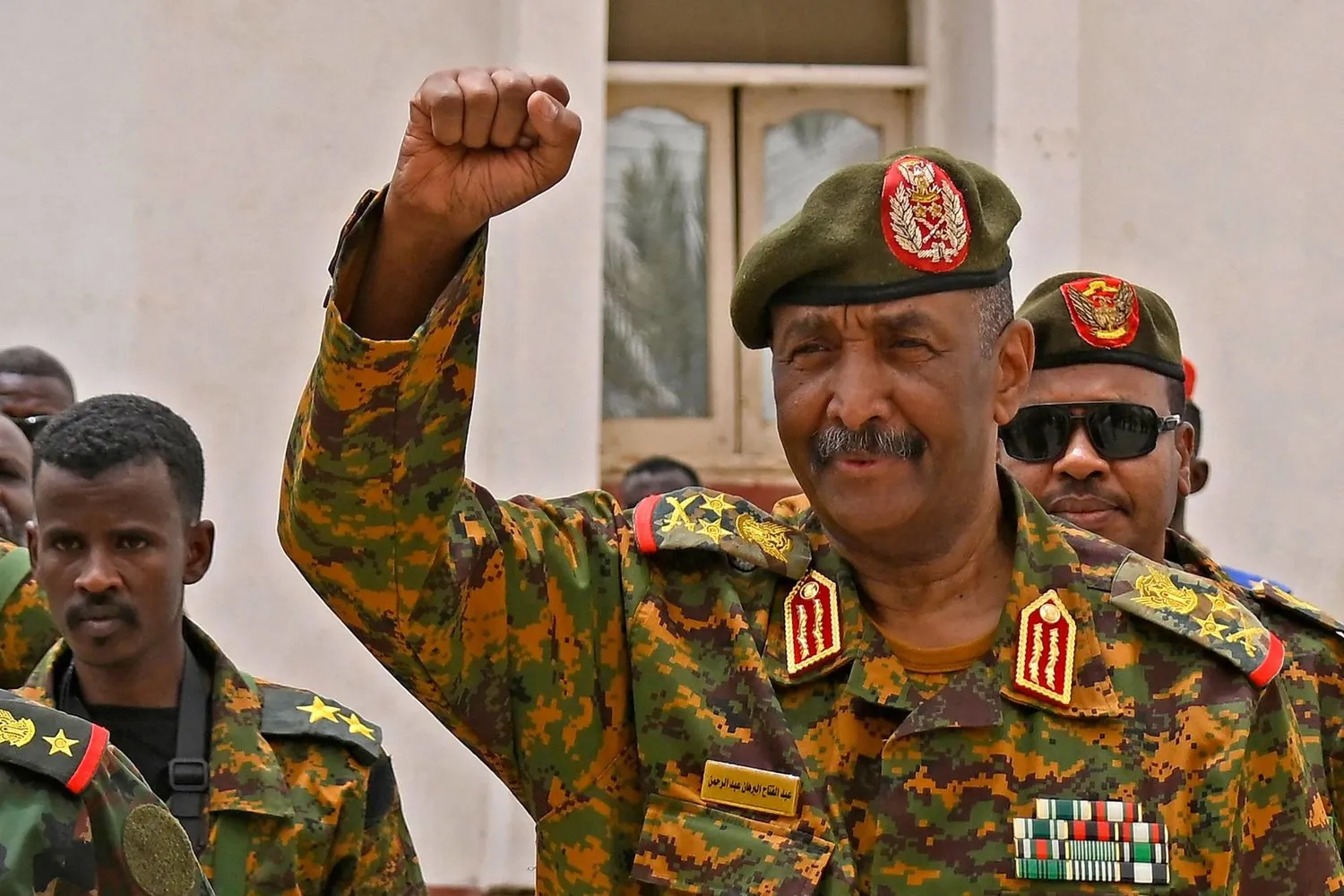
KHARTOUM — Sudan's military leader, General Abdel Fattah al-Burhan, delivered a firm message on national sovereignty and political legitimacy during a public address in Wadi Halfa, Northern State, on October 20, 2026.
Speaking to residents who gathered during his visit, the chairman of the Transitional Sovereignty Council stressed that Sudan's future should not be dictated by foreign powers or imposed political arrangements.
He argued that the Sudanese people alone possess the authority to choose their leaders and determine the country's political direction.
Elections Must Determine Future Leadership
Al-Burhan declared that Sudan should not be governed by any political faction or outside authority without a mandate from the population.
He insisted that those seeking political office must obtain legitimacy through the electoral process.
His remarks presented elections as the appropriate route for deciding Sudan's leadership once conditions allow a political transition.
However, al-Burhan did not announce an election date, an agreed transitional framework or specific security arrangements for a national vote.
No External Guardianship Over Sudan
The Sudanese leader also emphasised that neither the country's armed forces nor its citizens should operate under foreign guardianship.
He portrayed national sovereignty and independent decision-making as central principles in any future political settlement.
His remarks come as regional and international actors continue diplomatic efforts aimed at addressing Sudan's prolonged conflict.
Al-Burhan's position underlined the importance his leadership places on retaining national control over decisions concerning governance, security and territorial integrity.
Door Remains Open to Peace and Dialogue
Alongside his rejection of external pressure, al-Burhan delivered a message to Sudanese citizens seeking reconciliation.
He said the country remained open to those willing to return home, pursue peace and participate in dialogue.
The call suggested that political engagement and civilian reintegration could remain part of Sudan's future despite the continuation of military operations.
Nevertheless, the statement did not amount to a newly announced ceasefire or a negotiated agreement with the RSF.
Army Reaffirms Position Against RSF
Al-Burhan reiterated his determination to continue the fight against the Rapid Support Forces, which have been engaged in a devastating conflict with Sudan's army since April 2023.
He described the military campaign as necessary to defend the country's sovereignty and territorial unity.
Sudan's war has caused extensive civilian suffering, forced millions from their homes and damaged vital infrastructure.
The military leader's comments indicated that his government continues to link the restoration of security with the possibility of rebuilding national political institutions.
Northern State Residents Praised for Their Support
During the gathering, al-Burhan thanked Wadi Halfa residents for their support of the Sudanese Armed Forces.
He acknowledged the historical identity of the Nubian communities of northern Sudan and their contribution to national life.
The general also promised attention to local concerns, including basic services, agriculture and economic recovery.
Relations With Egypt Remain Important
Al-Burhan expressed appreciation for Egypt and assured Cairo that Egyptian nationals living in Sudan were safe.
He called for continued cross-border commerce, mutual economic cooperation and electricity supplies from Egypt.
His comments reflected the importance of Wadi Halfa as a border community with strong economic connections to Egypt.
Political Questions Persist Amid War
The Wadi Halfa speech came as Sudan continued to face fundamental questions over wartime governance, the eventual restoration of civilian institutions and the conditions for elections.
Al-Burhan combined a rejection of foreign political dictates with support for eventual electoral legitimacy and continued military operations.
His message placed national sovereignty at the centre of Sudan's future political settlement while leaving the precise timetable for a transition unresolved.