Diplomatic confrontation reaches Security Council
The increasingly tense relationship between Eritrea and Ethiopia has entered a new diplomatic phase following separate communications to the United Nations Security Council.
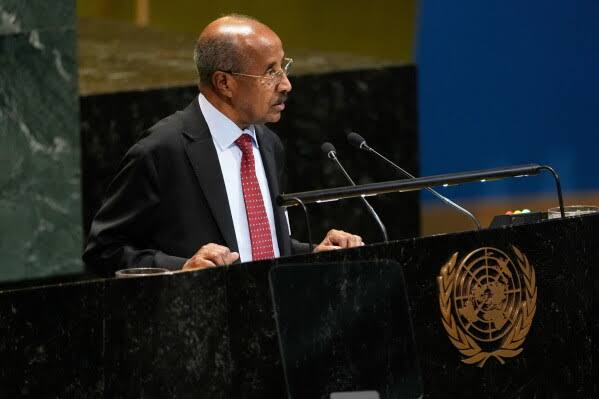
In a statement issued on October 10, Eritrean Foreign Minister Osman Saleh responded to Ethiopia's notification to the Council the previous day.
Saleh accused the Ethiopian government of moving towards the implementation of what he described as a longstanding military plan targeting Eritrea.
He argued that Ethiopia's declared security measures were not defensive in nature but part of a broader effort to justify future military action.
Asmara maintains that Addis Ababa's latest diplomatic position represents a serious threat to peace between the two neighbouring countries.
Northern Ethiopia operations deepen tensions
The dispute has intensified against the backdrop of military developments in northern Ethiopia, where renewed fighting has raised concerns about regional stability.
Eritrea alleges that Ethiopia is attempting to link its military operations in the north with preparations for a possible offensive against Eritrean territory.
The Ethiopian government, however, has accused Eritrean forces of violating its borders and conducting military activities inside the Tigray region.
Addis Ababa has presented its position as a matter of national defence, invoking its rights under international law.
Eritrea rejects that justification and argues that Ethiopia is using allegations of border violations to create a pretext for aggression.
The competing military claims remain contested, with key details not independently established.
Eritrea demands deterrent action under UN Charter
A central element of Eritrea's diplomatic appeal is its request for the Security Council to consider action under Chapter VII of the United Nations Charter.
Foreign Minister Saleh urged the Council to condemn Ethiopia's alleged military intentions and adopt measures aimed at preventing a wider confrontation.
Chapter VII permits the Security Council to respond to threats to international peace through binding decisions, including sanctions and other enforcement measures.
Eritrea's request reflects an attempt to secure stronger international pressure on Ethiopia before the situation develops into direct interstate hostilities.
No Security Council decision imposing new measures on Ethiopia has been announced in connection with the letter.
Historical peace agreement returns to diplomatic debate
Eritrea has also drawn attention to the Algiers Agreement, signed in December 2000 following the border war between the two countries.
Saleh referred to international statements issued during the agreement's 25th anniversary in December 2025, arguing that those declarations reinforced the importance of respecting Eritrea's territorial integrity.
The Eritrean government maintains that Ethiopia has failed to respond to repeated international warnings and continues pursuing policies that could threaten regional security.
Asmara warned that another war would bring severe consequences for the populations of both countries and could destabilise neighbouring states.
The latest appeal places renewed attention on the Security Council's diplomatic role as the two governments continue exchanging accusations over sovereignty, military activity and regional security.