Eritrean author challenges Ethiopia's maritime policy
A political analysis attributed to Eritrean Foreign Ministry researcher Nahom Tesfamikael has accused Ethiopia's ruling Prosperity Party of pursuing an increasingly confrontational approach towards Eritrea.
The text, titled “Adventures of the Prosperity Party Regime,” examines Ethiopia's maritime policy over the past three years and questions the political and legal arguments used to justify its calls for greater access to the Red Sea.
The author contends that Addis Ababa has advanced its position through diplomatic statements, political messaging and military rhetoric.
He argues that these developments have heightened insecurity in the Horn of Africa.
Abiy Ahmed's earlier statements examined
The analysis revisits remarks made by Ethiopian Prime Minister Abiy Ahmed in 2023 concerning port access, population growth and economic development.
Tesfamikael argues that Ethiopia has increasingly presented maritime access as an essential national interest.
The text challenges the interpretation of historical and economic arguments as grounds for sovereign control over another state's coastline.
It also questions the language used by Ethiopian officials when discussing potential alternatives to negotiated access.
Assab Port remains the central dispute
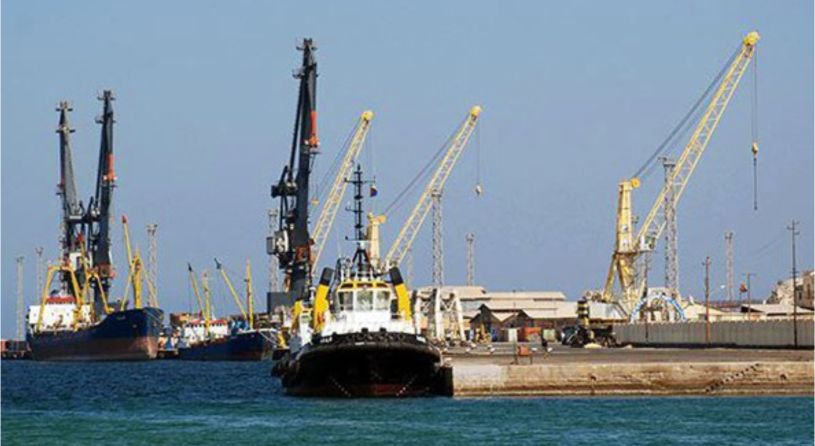
The Eritrean port of Assab has become a major focus of Ethiopia's wider debate over access to maritime trade routes.
Ethiopia became landlocked following Eritrea's independence in 1993 and has subsequently relied heavily on Djibouti for international trade.
The analysis maintains that commercial dependence on foreign ports cannot override Eritrea's internationally recognised sovereignty.
The author warns that continued disagreement over Assab could worsen bilateral relations and increase regional security risks.
Broader accusations against Addis Ababa
The text also criticises Ethiopia's approach to Somalia, Sudan and regional security.
It cites the January 2024 memorandum between Ethiopia and Somaliland as an example of a policy that generated regional objections.
The author further alleges Ethiopian involvement in activities affecting Sudan's conflict, including purported support for the Rapid Support Forces.
Those specific allegations are not independently substantiated in the text and should not be treated as established findings.
Both governments defend opposing positions
Eritrea's Foreign Minister Osman Saleh told diplomats in Asmara on October 15 that Ethiopia's policies threatened Eritrean sovereignty.
Ethiopia, however, has defended its geographic and historical interests in the Red Sea.
In an October 5 statement, Ethiopia's Foreign Ministry described peaceful engagement, mutual respect and regional cooperation as the basis of its approach.
The two governments have also exchanged accusations over renewed conflict in Tigray, with Eritrea rejecting Ethiopian claims of involvement.
Concerns over further escalation
The Tigrinya analysis calls for respect for international law and warns against policies that might undermine the territorial integrity of neighbouring states.
It comes at a time of renewed military tension between Ethiopia and Eritrea, alongside instability in northern Ethiopia.
The competing claims underscore how maritime access, national security and unresolved regional disputes continue to shape relations between Addis Ababa and Asmara.