Fighting in Ethiopia puts overseas deployments under pressure
Escalating conflict in northern Ethiopia has increased pressure on the government in Addis Ababa to reconsider military commitments beyond its borders.
Reporting published on September 30 indicated that Ethiopia was preparing to bring more than 3,000 soldiers back from Somalia for possible redeployment to domestic conflict zones.
The reported plan follows renewed fighting involving federal forces and armed opposition groups in Tigray and neighbouring regions.
However, no official announcement has confirmed that the proposed withdrawal has been fully implemented.
The identity of the affected units and the final timetable remain uncertain.
South West State faces potential security disruption
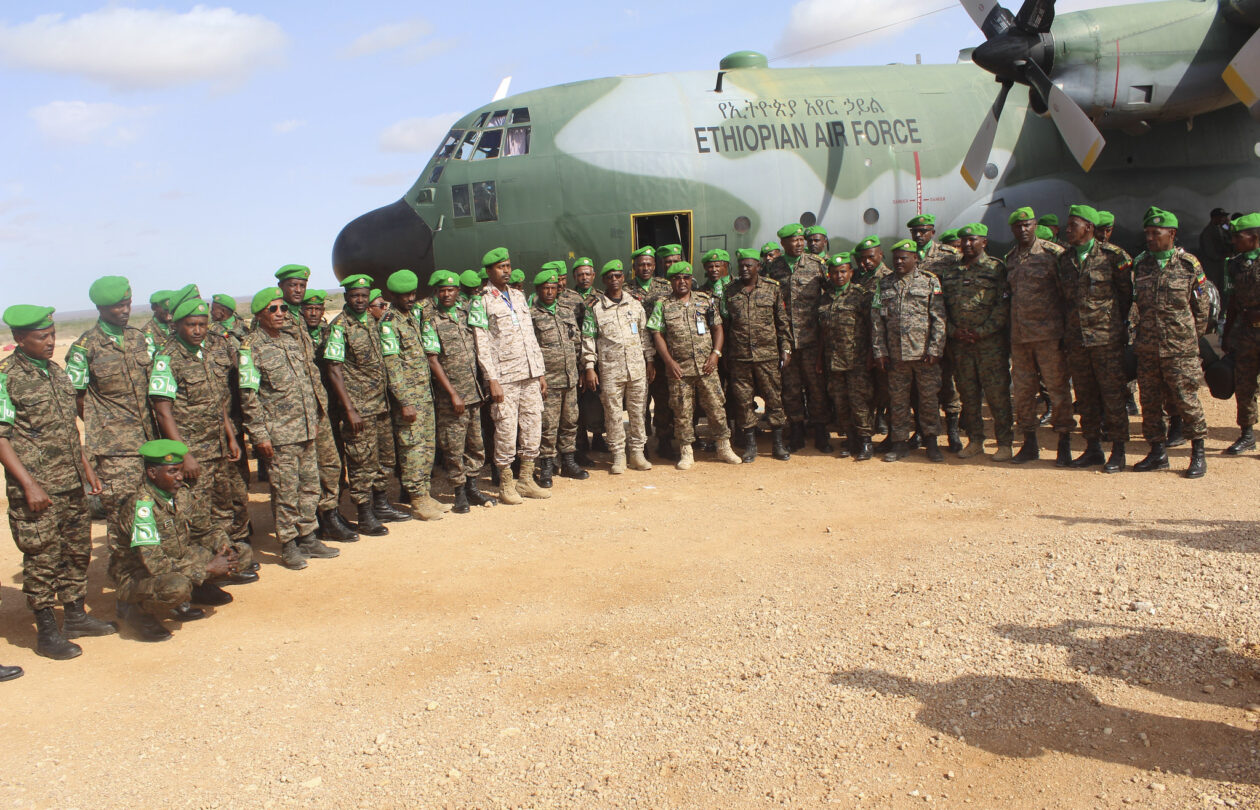
A significant number of Ethiopian troops have been deployed in Somalia's Bay and Bakool regions, where they support security operations and help protect strategic population centres.
Their presence has formed part of a wider security network involving the Somali National Army and African Union forces.
Local accounts now allege that some positions have been vacated without fighting, leaving communities concerned about possible territorial advances by Al-Shabaab.
These reports require independent verification, particularly concerning which locations have changed hands and whether replacement forces were deployed.
Somalia says no formal withdrawal notice was received
Following the reports of a possible redeployment, a Somali defence ministry official said Mogadishu had not received formal notification from Ethiopia.
This raised questions about how any large-scale withdrawal would be coordinated with Somali authorities and international security partners.
Ethiopian forces operate under different arrangements in Somalia.
Some serve in the African Union Support and Stabilisation Mission in Somalia, while others are deployed under bilateral agreements.
The distinction matters because a change to the African Union contingent would involve separate mission coordination and force-planning procedures.
Replacement forces and logistical challenges
A withdrawal from forward positions would require Somali forces or other partners to assume responsibility for protecting the affected areas.
Securing a military base involves more than replacing its personnel.
Troops must maintain supply routes, patrol nearby settlements, gather security information and respond to militant activity.
An earlier transition took place in August when Ethiopian personnel transferred their base in Burhakaba to the Somali National Army.
The handover illustrates how military responsibilities can be transferred, but also why continuity of security coverage is essential.
Regional consequences of Ethiopia's internal conflict
The proposed redeployment demonstrates how political and military developments inside Ethiopia could influence security conditions in neighbouring Somalia.
If substantial numbers of experienced troops are withdrawn, the outcome will depend on the ability of Somali and African Union forces to maintain effective deployments.
The situation is complicated by armed political rivalries in South West State and the continuing threat posed by Al-Shabaab in rural areas.
The immediate questions concern the number of troops actually leaving, the locations affected and whether replacement forces can prevent gaps in territorial security.