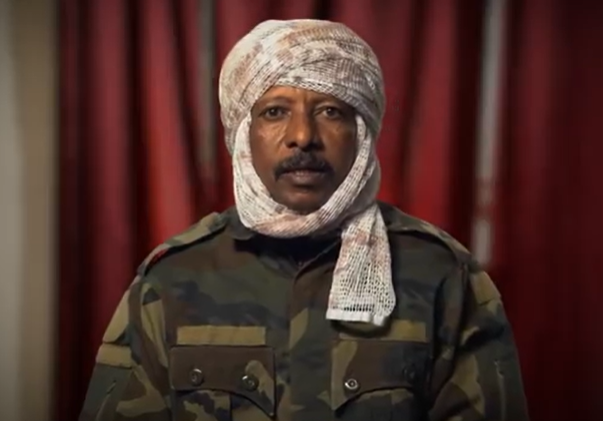
A senior commander in Sudan's paramilitary Rapid Support Forces (RSF) has announced his departure from the organization, adding to a growing series of high-profile defections during the country's prolonged armed conflict.
Major General Siddiq Abdelrahman Ander, also known as Siddiq Ander, announced that he was leaving the RSF and aligning himself with the Sudanese Armed Forces (SAF).
According to Al Arabiya's October 30 report, Ander held a command position within RSF Group 15 and previously headed a committee responsible for mobilization and military recruitment.
Al Jazeera separately published exclusive video footage on Friday showing Ander announcing his defection from the forces led by Mohamed Hamdan Dagalo, widely known as Hemedti.
Former Mobilization and Recruitment Official Leaves RSF
Ander's reported responsibilities within the RSF extended beyond field command.
Al Arabiya identified him as a former head of the paramilitary organization's mobilization and recruitment committee, a position associated with efforts to recruit fighters and support military personnel requirements.
Such responsibilities are particularly relevant in a conflict that has continued for more than three years, placing sustained demands on military manpower and organizational resources.
The departure of a former recruitment official raises questions about the potential implications for the RSF's personnel mobilization structure.
However, the immediate operational consequences remain uncertain.
There has been no independently verified information establishing whether Ander defected with additional officers, combat personnel or military equipment.
Sudanese Media Reported Planned Defection Earlier
Reports about the impending departure of a senior RSF figure began circulating in Sudanese media before the publication of Ander's video announcement.
Sudafax, citing the Sudanese newspaper Al-Sudani, reported on October 30 that a prominent RSF commander who previously supervised recruitment and mobilization activities had decided to defect to the Sudanese army.
The earlier reports suggested that the commander intended to publicly explain his decision and distance himself from the leadership of the Dagalo family.
Military sources quoted by Al-Sudani also anticipated allegations concerning the influence of external actors over RSF decision-making.
Those allegations remain attributed to the newspaper's sources, and their full inclusion in Ander's recorded statement has not been independently established.
The subsequent video publication confirmed Ander's declared departure from the organization.
Latest in a Series of October Defections
Ander's announcement follows several other departures involving RSF field commanders and officers.
On October 8, Lieutenant Colonel Mohammed Azraq al-Fanjari, who identified himself as the commander of the RSF's Special Tasks Group, announced his defection in a video statement.
Al-Fanjari said his decision followed a reassessment of Sudan's war and called on other RSF personnel to reconsider their involvement in the conflict.
He also apologized to Sudanese families affected by the fighting and announced his decision to side with the regular armed forces.
Another prominent departure was announced on October 24, when Lieutenant Colonel Jiddo Mohammed Adam Hamma, identified as the commander of RSF Group 135 and the South Nyala sector, declared that he had broken with the organization.
Sudanese media also reported the defection of six additional officers around the same period.
Together, these developments illustrate the continued departure of individual commanders from different sections of the RSF's military structure.
Military Implications Remain Unclear
The latest announcement comes as fighting between the Sudanese army and the RSF continues across several regions, particularly Darfur and Kordofan.
A commander's departure can have implications for military organization, operational coordination and personnel management, depending on the individual's responsibilities and the forces under their authority.
Nevertheless, the extent to which the recent defections have affected the RSF's overall fighting capabilities remains difficult to establish independently.
While several former commanders have publicly declared their alignment with the Sudanese army, the number of personnel actually transferred and the operational consequences of individual defections vary.
Independent assessments are further complicated by the limited availability of verifiable battlefield information.
Questions Remain Over Formal Military Integration
Ander's public announcement represents another significant development in the series of departures reported from the RSF in 2026.
However, the Sudanese Armed Forces have not been independently confirmed to have issued a detailed statement regarding his formal integration, future responsibilities or the status of any personnel formerly under his command.
Further information will be required to establish the practical consequences of his decision, including whether additional officers follow his lead and whether the reported changes influence military operations.
Sudan's conflict, which began in April 2023, continues to place enormous pressure on the country's security institutions and civilian population.