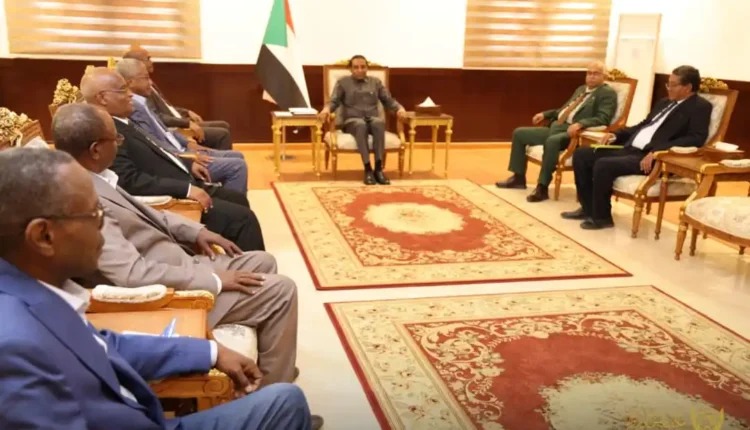
Sudanese teachers are facing mounting financial pressure as the conflict disrupts economic activity and public services. On October 7, the Sudanese Teachers’ Committee submitted an emergency memorandum saying basic monthly expenses for a family of five had reached approximately 4.18 million Sudanese pounds, while average teachers’ salaries stood at around 128,125 pounds.
Demand for a higher minimum wage
The committee calculated that existing pay covers roughly 3% of basic family needs. It called for the minimum wage to rise to 500,000 pounds and for a restructuring of public-sector salary scales. Outstanding wages, allowances and other entitlements should also be paid, the representatives said.
Regular payment schedule requested
Teachers called for wages to be deposited no later than the fifth day of each month. They said discussions with federal and state institutions had failed to produce results and urged the leadership to publish an implementable timetable.
Conflict-affected areas face added pressure
The memorandum emphasized the situation in Darfur and Kordofan, where insecurity has disrupted schools and displaced education personnel. The committee warned that further union action could follow if the government failed to take concrete steps.
Broader context
The teachers’ wage dispute also raises questions about how Sudan can sustain public services during wartime. In areas where schools have closed for security reasons or educators cannot receive salaries, students risk prolonged learning disruptions. The committee’s demands therefore concern more than household income: the continuity of the education system and the country’s eventual recovery also depend on retaining and paying qualified teaching staff.