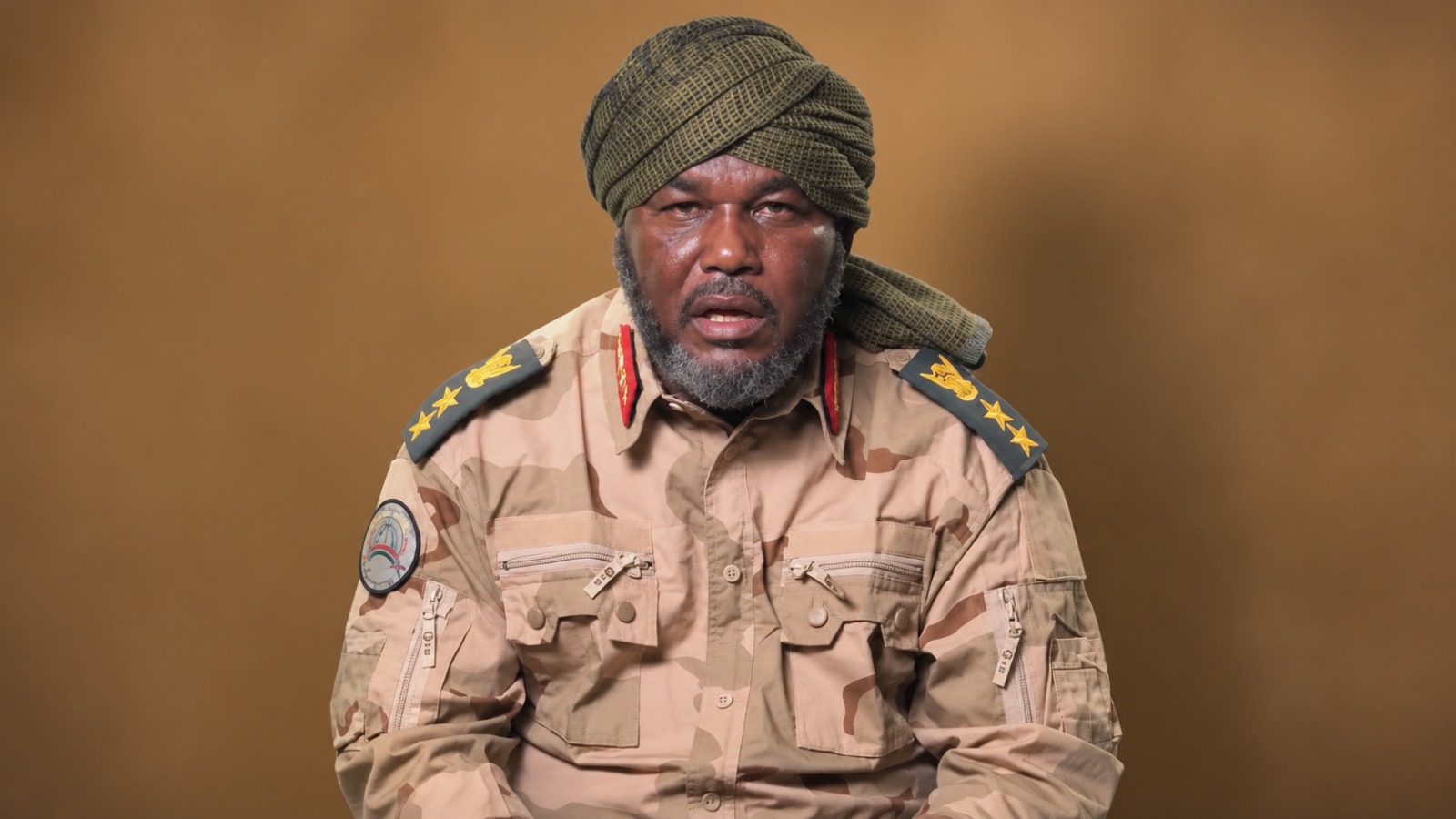
A senior commander within Sudan's paramilitary Rapid Support Forces (RSF) has announced his defection, marking another significant departure from the organization as the country's civil war continues.
Colonel Adam Mohamed Adam Abu Dakka, identified as the commander of Group 600, a mobilization official and head of a recruitment committee within the RSF, publicly announced his decision to leave the group.
According to information circulated by Al Arabiya, Abu Dakka expressed deep shame and embarrassment over actions committed by the Rapid Support Forces during the conflict.
His remarks have drawn attention to growing divisions among some senior RSF officers, particularly regarding the conduct of military operations and the treatment of civilians.
The latest development follows a series of defections involving senior field commanders, intelligence officers and recruitment officials throughout 2026.
Recruitment and mobilization official leaves the RSF
Abu Dakka's departure is notable because his responsibilities extended beyond battlefield command.
In addition to leading Group 600, he reportedly held positions associated with military mobilization and the recruitment of personnel.
Such responsibilities play an important role in sustaining paramilitary operations by organizing the recruitment of fighters and supporting the deployment of personnel across different military fronts.
His decision therefore brings renewed attention to the RSF's internal leadership structure and the pressures affecting its recruitment and mobilization activities.
The announcement did not specify how many fighters, if any, accompanied Abu Dakka, whether his entire unit supported the decision, or whether he intends to join the Sudanese Armed Forces.
Series of senior defections during 2026
The latest announcement follows several high-profile departures from the Rapid Support Forces over the past year.
In April 2026, Major General Al-Nour Ahmed Adam, widely known as Al-Nour Qubba, defected from the RSF and subsequently joined the Sudanese Armed Forces.
His departure attracted considerable attention because of his previous military influence and involvement in operations across Darfur and other conflict zones.
In May, another prominent commander, Ali Rizgallah, commonly known as Al-Savana, announced his departure from the RSF before aligning himself with the Sudanese military.
Further defections followed in August when Abu Bakr Hamouda Dahloub, a senior officer associated with the RSF's special operations intelligence structure, joined the army alongside approximately 200 fighters, according to media reports.
In October, Lieutenant Colonel Mohamed Azraq Al-Fanjari, who identified himself as a special operations commander, also announced his defection.
Reports surrounding that development referred to approximately 300 personnel leaving the organization. In a public statement, Al-Fanjari criticized abuses against civilians and called for an end to the continuing conflict.
Previous defections affected RSF recruitment leadership
The RSF has also experienced departures among officers responsible for recruitment and military mobilization.
In late October 2026, Major General Siddiq Abdelrahman Ander announced his departure from the organization and declared his support for the Sudanese Armed Forces.
Ander previously held responsibility for Group 15 and served as chairman of a committee involved in mobilization and recruitment.
During his announcement, Ander criticized the direction of the RSF leadership and argued that the war had increasingly served the interests of a narrow leadership circle rather than the broader Sudanese population.
Additional departures were announced in November by Hamdan Bashir and Omar Awad Haroun, although the Tamazuj movement subsequently disputed statements concerning their organizational positions.
These developments illustrate the range of leadership roles affected by defections, from battlefield commanders to personnel involved in intelligence, logistics and recruitment.
Sudanese army seeks to absorb former RSF personnel
The Sudanese Armed Forces have pursued measures encouraging RSF members to abandon the paramilitary organization and either surrender or join the military.
Sudan's army chief and Transitional Sovereignty Council Chairman Abdel Fattah al-Burhan has issued amnesty appeals to fighters willing to lay down their weapons.
In August 2026, the Sudanese military announced progress in formal procedures for regularizing the status of some former RSF members who had joined its ranks.
Military analysts have highlighted the potential operational significance of senior defections, particularly when departing officers possess detailed knowledge of troop deployments, supply networks, recruitment structures and internal communication systems.
However, the scale of any military impact depends on whether commanders leave individually or take organized units, equipment and personnel with them.
Accountability remains a central concern
The increasing number of defections has also raised questions about the legal status of former paramilitary officers and their potential responsibilities for actions committed during the war.
Human rights organizations have emphasized that leaving an armed group does not automatically remove responsibility for earlier conduct.
Any transition into regular military structures therefore raises questions about screening procedures, individual accountability and the treatment of victims of the conflict.
Abu Dakka's departure comes as fighting continues across Sudan, particularly in Darfur, Kordofan and Blue Nile.
His announcement adds another prominent name to the list of RSF officers who have publicly distanced themselves from the organization, highlighting the continuing changes within the paramilitary group's leadership during Sudan's prolonged conflict.