Sudanese forces thwart planned RSF assault
Sudan's army has conducted a preemptive drone operation targeting Rapid Support Forces units preparing to attack the Wad Abouk area in the southeastern Blue Nile region.
Military sources cited in Sudanese media reports published on November 24 and 25, 2026, said intelligence personnel from the Fourth Infantry Division detected the movements of the attacking force before it launched its operation.
According to the sources, RSF personnel and military vehicles had assembled in preparation for an offensive intended to capture Wad Abouk.
Sudanese forces subsequently launched a drone strike against the concentration of fighters and vehicles.
The operation reportedly prevented the planned ground assault from taking place.
Four drones strike RSF positions
Local military reports said four unmanned aerial vehicles were used in the operation.
The drones targeted RSF units while they were preparing for their attack.
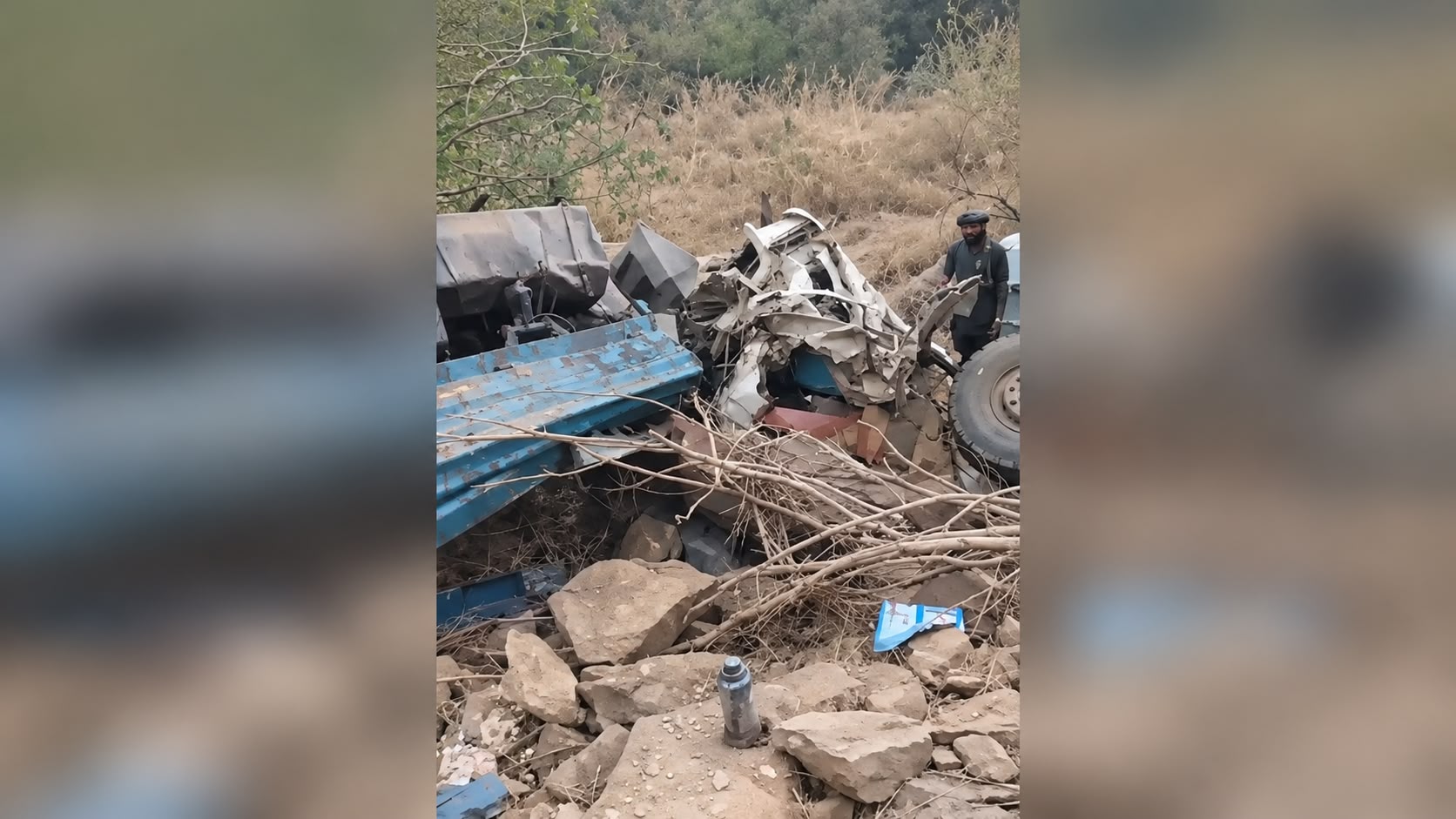
Sudanese military sources reported that approximately 60 RSF fighters were killed and 13 combat vehicles were destroyed.
The strike reportedly caused significant losses to the force assembled for the offensive.
Initial social media accounts referred to more than 60 fighters killed, while detailed military reporting described the figure as approximately 60.
The identities and nationalities of those killed were not disclosed.
The casualty and equipment-loss figures originate from Sudanese military sources and have not been independently verified.
Fourth Infantry Division intelligence coordinated operation
The operation was attributed to the intelligence units of the Sudanese Armed Forces' Fourth Infantry Division, based in the Blue Nile region.
According to military sources, the unit monitored RSF movements and identified preparations for the planned attack.
The information gathered allowed Sudanese forces to target the assembled fighters before they began their advance.
The reported strike forms part of a wider military campaign involving ground forces, military intelligence and unmanned aerial vehicles.
The Fourth Infantry Division remains one of the principal army formations operating in Blue Nile, including areas surrounding the regional capital Ed Damazin.
Army intensifies airstrikes in southern Blue Nile
The reported operation followed an expansion of Sudanese military activity across the southern part of the region.
On November 24, army drones struck positions belonging to the RSF and the allied Sudan People's Liberation Movement-North (SPLM-N).
Sudanese military sources said the strikes destroyed combat vehicles and military equipment.
The army also reported casualties among opposing forces, including field commanders.
According to the same sources, reinforcements recently deployed to Blue Nile enabled government forces to intensify their operations and carry out further attacks.
The air campaign has been accompanied by ground movements aimed at recovering positions previously captured by the RSF and its allies.
Battle for Bau continues
One of the main areas of fighting is Bau locality, southwest of Ed Damazin.
The RSF announced during the second half of November that its forces and allies had captured several locations in and around Bau.
Following those advances, the Sudanese army deployed additional personnel and equipment to the area.
Military sources said army units had made progress in parts of the locality while continuing operations to recover previously lost positions.
Bau lies approximately 70 kilometers southwest of Ed Damazin.
The wider area has experienced repeated changes in territorial control as the SAF and RSF-linked forces conduct competing ground operations.
The latest fighting has been accompanied by intensified use of drones and other aerial weapons.
RSF and SPLM-N coordination in Blue Nile
The Blue Nile campaign also involves the Sudan People's Liberation Movement-North faction led by Abdelaziz al-Hilu.
Joseph Tuka is among the movement's senior commanders operating in the region.
The RSF and its allies have conducted operations across Bau, Kurmuk, Geissan and surrounding areas.
Their advances have prompted a series of counteroperations by Sudanese forces.
Military sources say the army intends to continue using aerial support and ground reinforcements to recover control over areas taken by the allied groups.
The strategic importance of Blue Nile is reinforced by its proximity to the borders with Ethiopia and South Sudan.
The region contains transport and cross-border routes that remain significant to the movements of armed forces.
Drone reportedly intercepted near Ethiopian border
Sudanese military sources also reported that army air defenses intercepted an RSF drone near Wad al-Mahi in southern Blue Nile.
According to the sources, the aircraft approached from the direction of Ethiopian territory before being shot down.
The reported incident came amid continuing Sudanese accusations that Ethiopian territory has been used for RSF military activities.
Sudan has raised concerns over cross-border drone operations and the movement of military equipment.
Ethiopia has rejected accusations that it is providing military support to the RSF.
No independent technical investigation confirming the origin or flight path of the intercepted drone has been published.
RSF drone attacks kill civilians in Ed Damazin
As fighting intensified in southern Blue Nile, drone attacks also struck civilian areas in Ed Damazin and Roseires on November 24.
The Sudanese rights group Emergency Lawyers reported on November 25 that 19 civilians had been killed and 20 others wounded in attacks attributed to the RSF.
According to the organization, drones struck three residential neighborhoods in Ed Damazin.
The 19 people killed in the regional capital, including six women, were members of three families.
Five civilians were also wounded in Roseires, where drones reportedly targeted the dam and electricity facilities.
A separate statement by the Sudanese Human Rights Observatory reported 19 deaths and approximately 25 injuries across the two cities.
The civilian casualties occurred in separate attacks from the reported Sudanese military operation against RSF forces near Wad Abouk.
Blue Nile governor imposes security restrictions
The escalation in fighting has prompted additional security measures in the region.
Blue Nile Governor Ahmed al-Omda Badi announced changes to the regional curfew.
Under the new arrangements, the curfew runs from 10 p.m. until 5 a.m.
The use of motorcycles was also prohibited across the region, with an exception for security services.
The restrictions followed an increase in drone attacks and clashes near populated areas.
The Sudanese army said its operations in the southern sector would continue following the arrival of additional military reinforcements.
Military campaign continues amid displacement
Blue Nile has become one of the major active fronts in Sudan's conflict, with the army, RSF and allied forces competing for control of towns and strategic routes.
The reported killing of approximately 60 RSF fighters and destruction of 13 combat vehicles near Wad Abouk represents the latest battlefield losses announced by Sudanese military sources.
The RSF continues to report advances in other parts of southern Blue Nile.
Repeated clashes, drone attacks and shifting front lines have forced civilians to leave affected communities.
Humanitarian organizations have warned that continued fighting is damaging infrastructure, disrupting essential services and worsening displacement.
The Sudanese Armed Forces are continuing their campaign to recover areas previously lost to the RSF while seeking to strengthen security around Ed Damazin and other strategic locations.